
Medically reviewed for accuracy. Last updated July 2026. This article is for informational purposes only and is not a substitute for professional medical advice, diagnosis, or treatment. Always talk to a qualified healthcare provider about your individual health needs.

Introduction
Walk into almost any doctor’s office in America today, and chances are the conversation will touch on one of a handful of connected issues: blood sugar, weight, blood pressure, or heart health. These aren’t separate problems — they’re deeply linked pieces of what doctors call Chronic Disease & metabolic health, and right now, that health is under real strain across the United States.
More than 40 million Americans are living with diabetes, over 115 million adults have prediabetes, and obesity rates continue to climb across nearly every age group. At the same time, a new class of medications — GLP-1 receptor agonists — has reshaped how doctors think about treating both diabetes and obesity, while emerging research is drawing sharper lines between abdominal fat and heart failure risk. Meanwhile, a less-discussed but equally important trend is unfolding in pediatric clinics: high blood pressure, once considered an adult problem, is being diagnosed in children and teenagers more often, and it’s frequently missed.
This guide breaks down what’s actually happening with chronic disease and metabolic health in America right now — the science, the statistics, the treatment options, and the practical steps that make the biggest difference. Whether you’re managing a diagnosis yourself, worried about a family member, or simply trying to understand what your annual bloodwork means, this article is built to give you a clear, evidence-based picture.
What Are Chronic Diseases?
Defining Chronic vs. Acute Conditions
A chronic disease is a health condition that lasts a year or longer, requires ongoing medical attention, limits daily activities, or does all three. This is different from an acute condition — like a cold, a sprained ankle, or a stomach bug — which develops quickly and typically resolves within days or weeks, often without long-term treatment.
Chronic diseases tend to develop gradually, sometimes silently, over years or even decades. That slow onset is part of what makes them so dangerous: a person can have elevated blood sugar or rising blood pressure for years before symptoms appear or a diagnosis is made.
Common Chronic Diseases in the U.S.
The most prevalent chronic diseases in America include type 2 diabetes, obesity, heart disease, stroke, chronic kidney disease, and hypertension. Many of these conditions share the same root causes — poor diet quality, physical inactivity, chronic stress, and insufficient sleep — which is why they so often appear together in the same patient. This overlapping pattern is central to understanding metabolic health.
What Is Metabolic Health?
Metabolic health refers to how efficiently your body regulates energy — specifically, how it manages blood sugar, blood pressure, cholesterol, and body fat. When these systems work well together, the risk of diabetes, heart disease, and stroke drops significantly. When they don’t, the risk of all three rises in tandem.
Key Markers of Metabolic Health
Doctors typically look at five markers to assess metabolic health:
- Blood glucose (fasting blood sugar or A1C)
- Blood pressure
- Waist circumference (a proxy for abdominal fat)
- HDL cholesterol (“good” cholesterol)
- Triglycerides (fat circulating in the blood)
Having three or more of these markers outside the healthy range is one of the defining features of metabolic syndrome, discussed in more detail below.
Metabolically Healthy vs. Unhealthy Weight
It’s a common misconception that only people who are overweight or obese can be metabolically unhealthy. In reality, some people classified as a “normal” weight by BMI can still have poor blood sugar control or high blood pressure, a pattern sometimes called “skinny fat” or metabolically unhealthy normal weight. Conversely, some people with a higher BMI have healthy blood sugar, blood pressure, and cholesterol levels. Weight is one piece of the puzzle — not the whole picture.
Why Chronic Diseases Are Rising in America

Diet and Food Environment
The modern American food environment — heavy in ultra-processed foods, added sugars, and refined carbohydrates — plays a major role in rising rates of obesity and type 2 diabetes. These foods are engineered to be highly palatable and calorie-dense, making it easy to consistently consume more calories than the body needs.
Sedentary Lifestyles
Desk jobs, long commutes, and screen-based entertainment have steadily reduced daily physical activity for most Americans. Movement plays a central role in insulin sensitivity, meaning less activity translates directly into higher diabetes and obesity risk over time.
Stress, Sleep, and Chronic Disease Risk
Chronic psychological stress raises cortisol levels, which can increase blood sugar, blood pressure, and abdominal fat storage. Poor sleep compounds this effect, disrupting the hormones that regulate hunger and blood sugar regulation (more on this below).
Socioeconomic and Access Barriers
Access to affordable healthy food, safe places to exercise, and consistent healthcare varies widely across the U.S., and these disparities are strongly linked to differences in chronic disease rates between communities. Cost, geography, and insurance coverage all shape a person’s realistic ability to manage their metabolic health.
Current U.S. Statistics on Chronic Disease
Diabetes and Prediabetes Prevalence
According to the CDC’s National Diabetes Statistics Report, roughly 40 million Americans — about 1 in 8 people — are living with diabetes, and more than 1 in 4 of them don’t know it. On top of that, an estimated 115 million American adults have prediabetes, and roughly 8 in 10 of them are unaware of their condition. The vast majority of diagnosed cases are type 2 diabetes.
Obesity Rates by Age Group
Obesity affects a large share of U.S. adults and continues to rise among children and adolescents as well. Rates tend to increase with age through midlife, though childhood and adolescent obesity has been one of the fastest-growing trends over the past several decades, with researchers projecting continued increases in pediatric obesity in the years ahead.
Cardiovascular Disease Trends
Heart disease remains a leading cause of death in the United States. Because high blood sugar, high blood pressure, excess abdominal fat, and poor cholesterol frequently occur together, cardiovascular disease risk tends to rise sharply in people who already have metabolic syndrome or type 2 diabetes.
Type 2 Diabetes Explained
How Type 2 Diabetes Develops
Type 2 diabetes develops when the body’s cells become resistant to insulin — the hormone that moves sugar out of the bloodstream and into cells for energy. Over time, the pancreas struggles to produce enough insulin to overcome this resistance, and blood sugar levels climb. Left unmanaged, chronically high blood sugar damages blood vessels, nerves, kidneys, and eyes.
Symptoms of Type 2 Diabetes
Early type 2 diabetes often has no noticeable symptoms at all, which is part of why so many cases go undiagnosed. When symptoms do appear, they can include increased thirst, frequent urination, fatigue, blurred vision, slow-healing cuts or sores, and unexplained weight loss.
Risk Factors
Risk factors for type 2 diabetes include excess body weight (especially abdominal fat), physical inactivity, a family history of diabetes, age over 45, certain racial and ethnic backgrounds (including Black, Hispanic, Native American, and Asian American populations, who face disproportionately higher risk), and a history of gestational diabetes.
Diagnosis and A1C Testing
Diabetes is typically diagnosed using a fasting blood glucose test, an oral glucose tolerance test, or an A1C test, which reflects average blood sugar over roughly three months. An A1C of 6.5% or higher generally indicates diabetes, while 5.7%–6.4% falls into the prediabetes range.
Type 2 Diabetes in Young Adults
One of the more concerning shifts in recent years is the rise of type 2 diabetes among younger adults — a group historically at low risk. Research increasingly points to this trend tracking alongside rising rates of obesity in adolescents and young adults, and it has pushed medical guidelines toward earlier screening in this age group. It has also driven growing interest in medications like GLP-1 receptor agonists as tools for managing blood sugar and weight in younger patients, a topic explored in depth later in this guide.
Obesity in the United States
How Obesity Is Measured (BMI and Beyond)
Body Mass Index (BMI) remains the most widely used screening tool for obesity, calculated from height and weight. However, BMI doesn’t distinguish between muscle and fat or account for where fat is distributed in the body — which is a significant limitation, since fat location matters enormously for health risk. That’s why many clinicians now pair BMI with waist circumference measurements for a fuller picture.
Health Risks Linked to Obesity
Obesity is associated with increased risk of type 2 diabetes, high blood pressure, heart disease, stroke, certain cancers, sleep apnea, joint problems, and fatty liver disease. Importantly, even modest weight loss — around 5–10% of body weight — has been shown to meaningfully improve blood sugar, blood pressure, and cholesterol levels.
Childhood and Adolescent Obesity Trends
Childhood obesity has risen substantially over the past several decades and is now considered one of the most pressing pediatric public health issues in the country. It’s also closely tied to the rise in childhood high blood pressure discussed later in this article, since excess weight is one of the strongest known risk factors for elevated blood pressure in children.
Metabolic Syndrome
The Five Criteria for Diagnosis
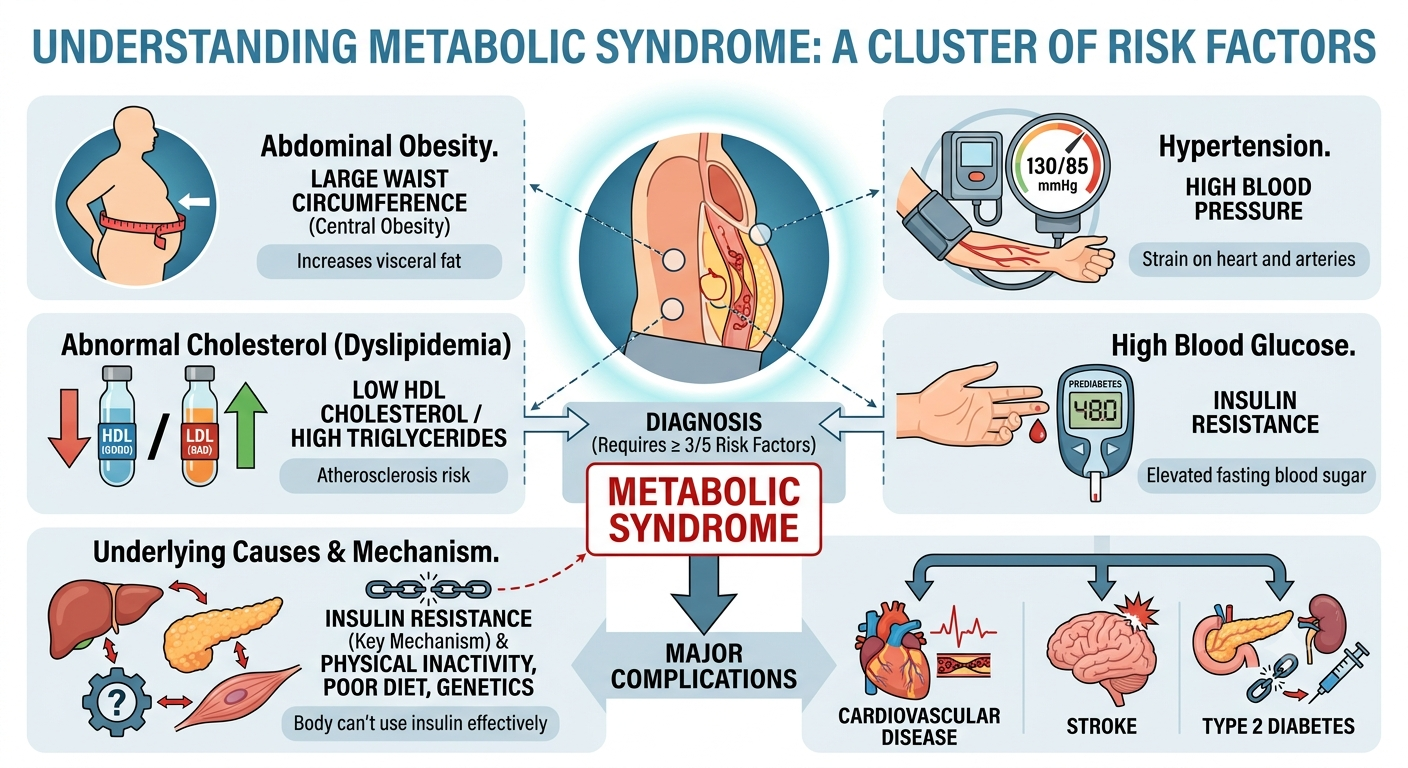
Metabolic syndrome is diagnosed when a person has at least three of the following five conditions:
- Elevated waist circumference (abdominal obesity)
- High triglycerides
- Low HDL (“good”) cholesterol
- High blood pressure
- Elevated fasting blood sugar
Why Metabolic Syndrome Increases Disease Risk
Having metabolic syndrome roughly doubles the risk of cardiovascular disease and significantly raises the risk of developing type 2 diabetes compared to having none of these risk factors. The conditions compound each other — for example, excess abdominal fat drives insulin resistance, which raises blood sugar and blood pressure simultaneously.
GLP-1 Medications and Metabolic Health
How GLP-1 Drugs Work
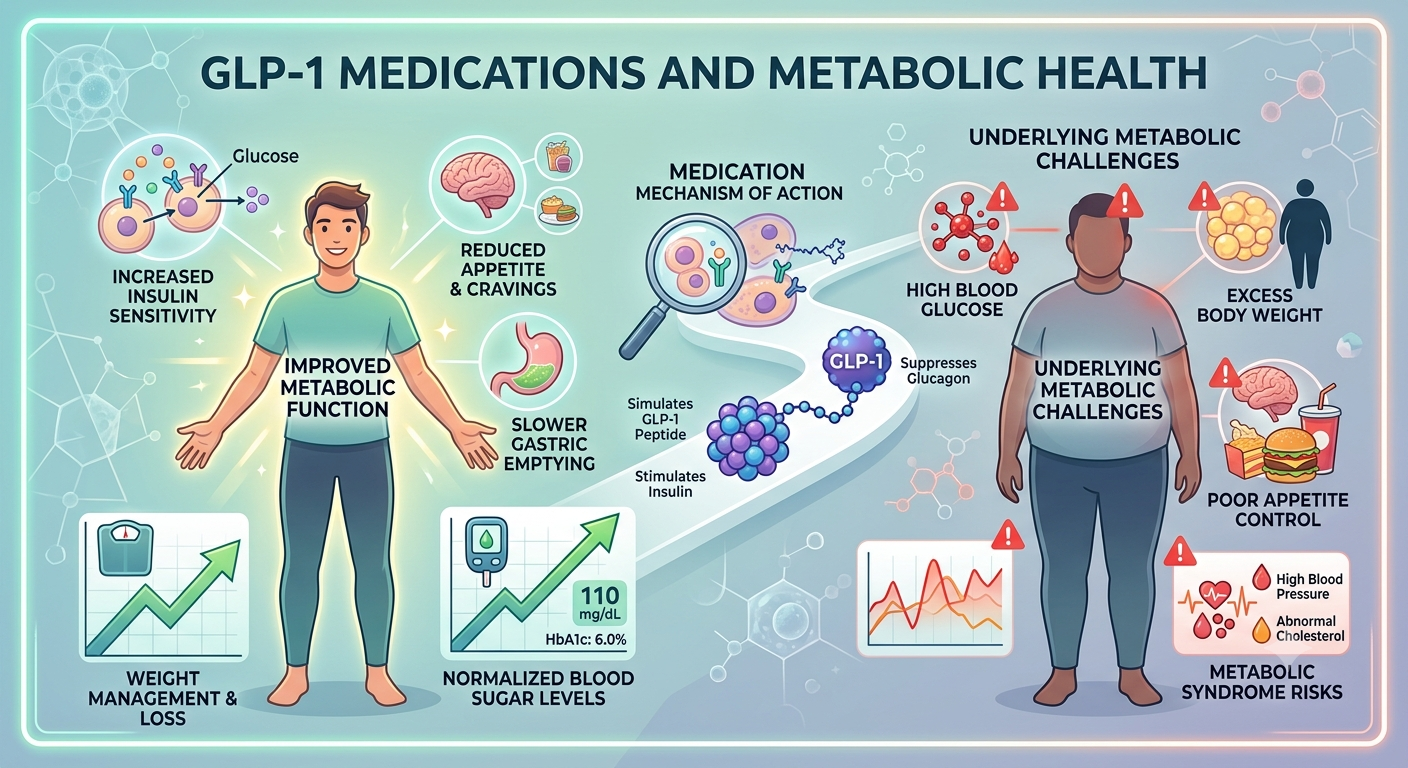
GLP-1 receptor agonists mimic a natural gut hormone called glucagon-like peptide-1, which is released after eating. These medications slow digestion, reduce appetite, and help the pancreas release insulin more effectively in response to food — which lowers blood sugar and, for many patients, leads to significant weight loss.
GLP-1 Use in Young Adults: What Research Shows
GLP-1 medications were originally developed and approved for type 2 diabetes, and later for chronic weight management. As rates of obesity and type 2 diabetes have risen among younger adults, researchers and clinicians have increasingly studied how these drugs perform in this population — both for improving blood sugar control and for supporting meaningful, sustained weight loss. Early evidence suggests benefits similar to those seen in older adults, though researchers continue to study long-term safety and outcomes specifically in younger patients, since this is a newer area of clinical use.
Benefits of GLP-1 Medications
Reported benefits include significant reductions in blood sugar and A1C, substantial weight loss in many patients, reduced cardiovascular risk markers, and — for some formulations — reduced risk of major cardiovascular events in people with existing heart disease.
Risks, Side Effects, and Considerations
Common side effects include nausea, vomiting, diarrhea, and constipation, particularly when starting treatment or increasing the dose. Less common but more serious risks can include pancreatitis and gallbladder issues. These medications are not appropriate for everyone, including people with certain personal or family histories of specific thyroid cancers. Cost and insurance coverage also remain significant barriers for many patients.
Who Should Consider GLP-1 Therapy
GLP-1 medications are generally considered for adults with type 2 diabetes whose blood sugar isn’t well controlled with lifestyle changes alone, or for adults with obesity (or overweight with weight-related health conditions) who haven’t achieved sufficient results through diet and exercise alone. This is a decision to make with a physician, who can weigh personal health history, other medications, and individual risk factors.
Blood Sugar Management Strategies
Diet-Based Approaches
Prioritizing fiber-rich vegetables, lean proteins, and healthy fats while limiting refined carbohydrates and added sugars helps stabilize blood sugar throughout the day. Eating consistent meal times and pairing carbohydrates with protein or fat can also blunt post-meal blood sugar spikes.
Continuous Glucose Monitoring
Continuous glucose monitors (CGMs) — small sensors worn on the skin that track blood sugar in real time — have moved beyond people with diabetes and are increasingly used by people without diabetes to better understand how specific foods and habits affect their blood sugar. For people with diabetes, CGMs have become a standard tool for day-to-day management.
Medication-Assisted Management
Beyond GLP-1 medications, common treatments include metformin (typically a first-line therapy), SGLT2 inhibitors, and insulin therapy for more advanced cases. Treatment plans are highly individualized and typically combine medication with lifestyle changes.
Weight Loss Research and Trends
Evidence-Based Weight Loss Methods
The most consistently effective approaches to weight management combine a moderate calorie deficit, adequate protein intake, regular strength and aerobic exercise, and behavioral strategies like tracking and consistent sleep. Fad diets that eliminate entire food groups tend to produce short-term results that aren’t sustainable long-term.
Role of Medication vs. Lifestyle Change
GLP-1 medications and other weight-loss drugs are most effective when paired with — not used instead of — dietary and activity changes. Medications can help people reach a starting point that makes lifestyle changes more sustainable, but ongoing habits matter for maintaining results over time.
Belly Fat vs. Visceral Fat
Subcutaneous Fat vs. Visceral Fat
Not all body fat behaves the same way. Subcutaneous fat sits just beneath the skin and is the fat you can pinch. Visceral fat surrounds internal organs deep in the abdominal cavity and behaves almost like an active endocrine organ, releasing inflammatory compounds directly into the bloodstream.
Why Visceral Fat Is More Dangerous
Visceral fat is strongly linked to insulin resistance, chronic low-grade inflammation, and elevated blood pressure — even in people whose overall weight or BMI looks otherwise healthy. This is why two people with the same body weight can have very different metabolic health depending on how their fat is distributed.
How to Measure Abdominal Fat at Home
Waist circumference is the simplest home measurement: for most adults, a waist measurement above 40 inches for men or 35 inches for women is associated with increased health risk, though these thresholds can vary somewhat by ethnicity and body frame. Waist-to-hip ratio is another useful metric that some clinicians use alongside BMI.
Heart Failure Risk and Abdominal Obesity
The Science Linking Visceral Fat to Heart Failure
A growing body of research has drawn increasingly direct connections between excess visceral fat and heart failure risk — separate from its well-established role in heart attack and stroke risk. Visceral fat’s inflammatory activity and its association with insulin resistance and high blood pressure appear to place extra strain on the heart muscle over time, contributing to the type of heart failure where the heart’s pumping chambers stiffen and don’t relax properly between beats.
Warning Signs of Heart Failure
Warning signs include shortness of breath (especially when lying down or during activity), persistent fatigue, swelling in the legs, ankles, or abdomen, rapid or irregular heartbeat, and sudden weight gain from fluid retention. Anyone experiencing these symptoms, particularly alongside known metabolic risk factors, should speak with a doctor promptly.
Reducing Cardiovascular Risk Through Fat Loss
Losing visceral fat specifically — through a combination of aerobic exercise, resistance training, and dietary changes — has been shown to improve markers of heart health even before significant total weight loss occurs. This is one reason doctors increasingly emphasize waist circumference, not just total weight, as a meaningful health target.
Cardiovascular Disease Overview
Types of Cardiovascular Disease
Cardiovascular disease is an umbrella term covering coronary artery disease, heart failure, arrhythmias, stroke, and peripheral artery disease. These conditions frequently share the same underlying drivers: high blood pressure, high cholesterol, insulin resistance, and chronic inflammation.
Shared Risk Factors With Metabolic Disease
Because metabolic and cardiovascular disease share so many root causes, improving one area — like blood sugar control — often improves the others as well. This overlap is part of why doctors increasingly treat metabolic and cardiovascular health as a connected system rather than separate specialties.
Hypertension in Children and Teens
Why Childhood High Blood Pressure Is Increasing
Pediatric hypertension has drawn growing attention from researchers and clinicians in recent years. Global research analyzing data across multiple decades has found that childhood hypertension rates have risen substantially since 2000, with the increase most pronounced among children who are overweight or living with obesity — though normal-weight children are affected too. Rising childhood obesity, high sodium intake from processed foods, and declining physical activity levels are all considered contributing factors.
Underdiagnosis and Screening Gaps
Because high blood pressure typically causes no symptoms in children, it’s frequently missed unless blood pressure is specifically checked during routine visits using proper pediatric measurement protocols. Many cases go undetected for years, which matters because childhood hypertension is a known predictor of hypertension and cardiovascular disease in adulthood.
Normal Blood Pressure Ranges by Age
Unlike adults, healthy blood pressure in children is based on age, sex, and height rather than a single fixed number, since children’s normal ranges shift as they grow. Pediatricians use percentile-based charts to determine whether a child’s reading is normal, elevated, or hypertensive for their specific age and size — which is why home blood pressure cuffs designed for adults aren’t a reliable way to assess a child’s blood pressure.
Long-Term Risks If Left Untreated
Untreated high blood pressure in childhood has been linked to early signs of organ strain, including thickening of the heart’s main pumping chamber and early blood vessel changes. It also significantly raises the likelihood of hypertension continuing into adulthood, along with the cardiovascular risks that come with it.
Symptoms of Metabolic and Cardiovascular Conditions
Early Warning Signs
Across diabetes, hypertension, and heart disease, early warning signs can include unusual fatigue, changes in thirst or urination, headaches, shortness of breath with mild exertion, and swelling in the extremities.
When Symptoms Are Silent
The uncomfortable truth about metabolic disease is that high blood sugar, high blood pressure, and early heart strain often produce no symptoms at all in their earliest — and most treatable — stages. This is exactly why routine screening matters more than waiting for symptoms to appear.
Causes and Risk Factors Across Conditions
Genetic and Family History Factors
Family history plays a meaningful role in diabetes, hypertension, and heart disease risk. Having a parent or sibling with these conditions increases personal risk, even independent of lifestyle factors, which is why family history is a standard part of any risk assessment.
Modifiable Lifestyle Factors
Diet quality, physical activity levels, sleep duration and quality, stress management, tobacco use, and alcohol consumption are all modifiable factors that meaningfully influence metabolic and cardiovascular disease risk, regardless of genetic background.
Diagnosis and Health Screenings
Blood Tests and Panels
Standard screening typically includes fasting glucose or A1C, a lipid panel (cholesterol and triglycerides), and sometimes inflammatory markers like C-reactive protein, depending on individual risk factors.
Blood Pressure Monitoring
Blood pressure should be checked at every routine medical visit for adults and children alike. For adults with borderline or elevated readings, home monitoring over several days or weeks often gives a more accurate picture than a single office visit.
Imaging and Advanced Diagnostics
For patients with higher cardiovascular risk, doctors may recommend additional testing such as a coronary calcium scan, echocardiogram, or carotid ultrasound to assess existing organ or vessel damage.
Treatment Options
Medication-Based Treatments
Depending on the condition, treatment may include GLP-1 receptor agonists, metformin, SGLT2 inhibitors, insulin, ACE inhibitors or ARBs (for blood pressure), statins (for cholesterol), and diuretics.
Lifestyle-Based Treatments
Structured dietary changes, regular physical activity, weight management, sleep improvement, and stress reduction remain foundational — and are often effective enough on their own in early-stage or borderline cases.
Combination Approaches
For many patients, especially those with metabolic syndrome or established diabetes, the most effective plans combine medication with sustained lifestyle change, since each addresses different parts of the underlying problem.
Lifestyle Changes That Support Metabolic Health
Building Sustainable Habits
Small, consistent changes — like a daily 20-minute walk or swapping sugary drinks for water — tend to produce better long-term results than dramatic short-term overhauls that are hard to maintain.
Behavior Change Strategies
Tracking food and activity, setting specific and measurable goals, building in accountability (through a coach, app, or support group), and planning for setbacks in advance all improve the odds of lasting change.
Diet Recommendations for Metabolic Health
Best Foods to Support Blood Sugar and Heart Health
Non-starchy vegetables, fatty fish, legumes, nuts, olive oil, whole grains in moderate portions, and lean proteins all support stable blood sugar and cardiovascular health.
Foods to Avoid or Limit
Sugar-sweetened beverages, refined white bread and pastries, processed meats, fried foods, and foods high in added sugar and sodium should be limited for better metabolic outcomes.
Sample Meal Patterns
The Mediterranean diet and the DASH diet (Dietary Approaches to Stop Hypertension) are two of the most well-researched eating patterns for supporting blood sugar, blood pressure, and heart health simultaneously, and both emphasize vegetables, whole grains, lean protein, and healthy fats over processed foods.
Exercise Recommendations
Aerobic Exercise Guidelines
Most adults benefit from at least 150 minutes of moderate-intensity aerobic activity per week — brisk walking, cycling, or swimming are common examples — spread across several days.
Strength Training Benefits
Resistance training two or more days per week builds muscle mass, which improves insulin sensitivity and helps maintain a healthy metabolism, especially as people age.
Exercise for Kids and Teens With High Blood Pressure
Regular physical activity is one of the most effective non-drug interventions for children and teens with elevated blood pressure, alongside reducing sedentary screen time and supporting a healthy weight through balanced nutrition.
Stress Management and Metabolic Health
How Chronic Stress Affects Blood Sugar and Blood Pressure
Chronic stress keeps cortisol levels elevated, which can raise blood sugar, increase blood pressure, and promote fat storage specifically in the abdominal area — directly connecting mental health to metabolic risk.
Practical Stress-Reduction Techniques
Regular physical activity, mindfulness or meditation practices, adequate sleep, social connection, and, when needed, professional mental health support can all help lower chronic stress and its downstream metabolic effects.
Sleep and Metabolic Health
Sleep’s Role in Insulin Sensitivity
Poor or insufficient sleep disrupts the hormones that regulate hunger and blood sugar, and has been consistently linked to reduced insulin sensitivity, even after just a few nights of poor sleep.
Sleep Recommendations by Age
Most adults need 7–9 hours of sleep per night, while teenagers generally need 8–10 hours and school-age children need even more. Consistent sleep and wake times matter nearly as much as total sleep duration.
Preventive Healthcare Strategies
Recommended Screening Schedules
Adults should generally have blood pressure checked at every medical visit, blood sugar and cholesterol screened periodically starting in their mid-30s to 40s (or earlier with risk factors), and more frequent monitoring if results are borderline or a diagnosis is already established.
Preventive Care for Children and Teens
Routine well-child visits should include blood pressure measurement using appropriate pediatric equipment and technique, along with BMI tracking and conversations about diet and physical activity, particularly for children with risk factors like a family history of hypertension or obesity.
Latest Research in Chronic Disease and Metabolic Health
Emerging GLP-1 Research
Ongoing research continues to explore GLP-1 medications for expanded uses, including cardiovascular risk reduction, potential benefits for fatty liver disease, and use in adolescents with severe obesity, though guidelines in these newer areas continue to evolve as more data becomes available.
Pediatric Hypertension Studies
Large-scale international studies have significantly improved understanding of how common childhood hypertension really is, revealing that global rates have climbed substantially over the past two decades and reinforcing calls for more consistent blood pressure screening in pediatric care.
Cardiometabolic Research Trends
Researchers are increasingly studying metabolic and cardiovascular disease as a single interconnected system — sometimes called “cardiometabolic health” — rather than treating diabetes, obesity, hypertension, and heart disease as entirely separate conditions.
New Medical Technologies in Metabolic Care
Wearables for Blood Sugar and Heart Monitoring
Continuous glucose monitors, smartwatches with heart rate and rhythm tracking, and connected blood pressure cuffs are giving patients and doctors more continuous, real-world data than occasional office visits ever could.
AI in Chronic Disease Management
Artificial intelligence tools are increasingly being used to help identify patients at high risk for diabetes or heart disease earlier, personalize treatment recommendations, and flag concerning trends in wearable data before they become emergencies.
Telehealth and Remote Monitoring
Telehealth visits combined with remote blood pressure and glucose monitoring have made it easier for patients — especially those in rural or underserved areas — to stay engaged in ongoing chronic disease management between in-person visits.
Future Trends in Metabolic Health
Personalized Medicine
Genetic testing and personalized risk modeling are gradually making their way into mainstream care, allowing treatment plans to be tailored more precisely to an individual’s specific risk profile rather than general population averages.
Next-Generation Medications
Newer drug combinations targeting multiple hormone pathways at once are in active development, with early research suggesting the potential for even greater improvements in weight, blood sugar, and cardiovascular risk than current options.
Expert Recommendations
What Doctors Advise for Prevention
Most physicians emphasize the same foundational advice: maintain a healthy waist circumference, stay physically active, prioritize whole foods over ultra-processed ones, get adequate sleep, and don’t skip routine screenings — even when you feel fine.
When to See a Specialist
Consider seeing an endocrinologist, cardiologist, or registered dietitian if blood sugar or blood pressure remains difficult to control with primary care management alone, if there’s a strong family history of metabolic or cardiovascular disease, or if a child shows persistently elevated blood pressure readings.
Common Myths About Metabolic Health
| Myth | Fact |
|---|---|
| Only overweight people get type 2 diabetes | People at a “normal” weight can develop type 2 diabetes and metabolic syndrome, especially with high visceral fat |
| High blood pressure only affects older adults | Childhood and adolescent hypertension rates have risen significantly in recent years |
| GLP-1 medications are only for weight loss | They were originally developed for type 2 diabetes and remain a core diabetes treatment |
| You’ll always feel symptoms of high blood sugar or blood pressure | Both are frequently symptomless in early stages |
| BMI alone tells you if you’re metabolically healthy | Waist circumference and fat distribution matter just as much as overall BMI |
Frequently Asked Questions
1. What is metabolic health and why does it matter? Metabolic health refers to how well your body regulates blood sugar, blood pressure, cholesterol, and body fat. Good metabolic health substantially lowers the risk of diabetes, heart disease, and stroke.
2. What is the difference between Type 1 and Type 2 diabetes? Type 1 diabetes is an autoimmune condition where the body stops producing insulin, usually diagnosed in childhood or young adulthood. Type 2 diabetes involves insulin resistance and typically develops gradually, often linked to lifestyle and genetic factors.
3. How do GLP-1 medications help with weight loss and blood sugar control? They mimic a natural gut hormone that slows digestion, reduces appetite, and improves insulin release, leading to lower blood sugar and, for many patients, significant weight loss.
4. Are GLP-1 drugs safe for young adults? Research on GLP-1 use in younger adults is growing and generally shows benefits similar to those in older populations, though long-term safety data specific to this age group is still developing. This is a decision to make with a physician.
5. What is visceral fat and why is it more harmful than other fat? Visceral fat surrounds internal organs and releases inflammatory compounds into the bloodstream, closely linked to insulin resistance and high blood pressure — unlike subcutaneous fat just under the skin.
6. How does abdominal fat increase the risk of heart failure? Visceral fat’s inflammatory activity and its links to insulin resistance and high blood pressure place added long-term strain on the heart muscle, contributing to heart failure risk.
7. Why is hypertension becoming more common in children and teens? Rising childhood obesity, higher sodium intake, and reduced physical activity are all considered key contributing factors to the global rise in pediatric hypertension over the past two decades.
8. What blood pressure readings are considered high for a child? Healthy ranges depend on a child’s age, sex, and height rather than a single number, so pediatricians use percentile-based charts rather than adult blood pressure categories.
9. What are the warning signs of metabolic syndrome? A large waistline, high blood pressure, high triglycerides, low HDL cholesterol, and elevated blood sugar — having three or more of these together indicates metabolic syndrome.
10. Can metabolic syndrome be prevented? Yes, in many cases. Regular physical activity, a diet centered on whole foods, healthy sleep habits, and stress management can prevent or reverse metabolic syndrome, especially when addressed early.
11. What foods should I eat to support metabolic health? Non-starchy vegetables, fatty fish, legumes, nuts, olive oil, and lean proteins support stable blood sugar and healthy blood pressure.
12. What foods should I avoid to lower diabetes and heart disease risk? Sugar-sweetened beverages, refined carbohydrates, processed meats, and foods high in added sodium and sugar should be limited.
13. How much exercise is recommended for metabolic health? At least 150 minutes of moderate aerobic activity per week, plus two or more days of strength training, is the general recommendation for most adults.
14. Can poor sleep really affect blood sugar and weight? Yes. Insufficient sleep disrupts hunger and blood sugar hormones and has been consistently linked to reduced insulin sensitivity.
15. When should I see a doctor about my metabolic health? If you have a family history of diabetes, heart disease, or hypertension, if routine bloodwork shows borderline results, or if you notice symptoms like unusual fatigue, thirst, or swelling, it’s worth scheduling a checkup.
16. What screenings should adults get regularly to catch chronic disease early? Regular blood pressure checks, periodic blood sugar and A1C testing, and a lipid panel are the core screenings most adults should have on a routine schedule set with their doctor.
17. Is childhood obesity linked to adult chronic disease? Yes. Childhood obesity is strongly associated with continued obesity into adulthood, along with higher risk of type 2 diabetes, hypertension, and cardiovascular disease later in life.
Final Thoughts
Chronic disease and metabolic health rarely come down to a single number on a chart or a single bad habit. They’re the result of interconnected systems — blood sugar, blood pressure, body fat, sleep, and stress — all influencing each other over years and even decades. The encouraging part is that these same systems respond well to consistent, modest changes: a bit more movement, a bit less processed food, a bit more sleep, and regular screenings that catch problems while they’re still easy to treat.
Whether you’re navigating a new diagnosis, considering a GLP-1 medication, or simply trying to understand a blood pressure reading for your child, the underlying message from the research is consistent — earlier awareness and steady, sustainable changes make the biggest difference. If anything in this guide raises questions about your own health or a family member’s, the right next step is a conversation with a healthcare provider who can look at your full picture.
Disclaimer: This article is intended for general educational purposes and does not constitute medical advice. Diagnosis and treatment decisions, including the use of any medication mentioned here, should always be made in consultation with a licensed healthcare professional.
Also read this- https://healthteips.com/heart-disease-in-america/
Also read this– https://healthteips.com/dentabiome-review/